- Home
- Why TTN
- What Hurts
- Treatment Methods
- Blog
- New Patient
- Locations
- Contact Us
- Home
- Why TTN
- What Hurts
- Treatment Methods
- Blog
- New Patient
- Locations
- Contact Us
- Home
- Why TTN
- What Hurts
- Treatment Methods
- Blog
- New Patient
- Locations
- Contact Us
- Home
- Why TTN
- What Hurts
- Treatment Methods
- Blog
- New Patient
- Locations
- Contact Us

Women’s Pelvic Health
- Home
- Women’s Pelvic Health
Women’s Pelvic Health Physical Therapy at The Therapy Network
Understanding Women’s Pelvic Health
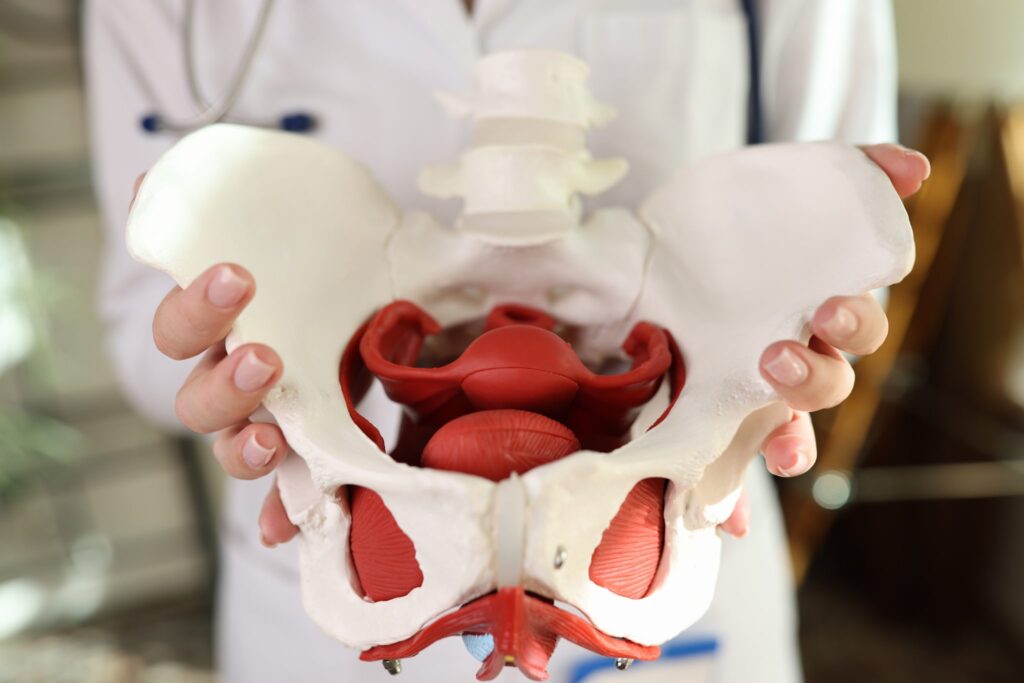
Women’s pelvic health physical therapy focuses on the muscles, ligaments, and connective tissues of the pelvic floor. These muscles act like a hammock, supporting the bladder, uterus, rectum, and other vital organs. When the pelvic floor is too weak, too tight, or uncoordinated, it can lead to a wide range of symptoms that affect daily life and overall well-being.
Who Can Be Affected by Pelvic Floor Issues?
Pelvic floor dysfunction can impact women at any stage of life. Common causes include pregnancy and childbirth, aging, surgery, hormonal changes, or even high-impact exercise. Women experiencing pelvic floor challenges may notice:The Benefits of Pelvic Floor Physical Therapy
Pelvic floor therapy offers a safe, non-invasive way to restore strength, control, and confidence. Our treatments are tailored to each woman’s needs, with benefits that include:Support Through Every Stage of Life
Pelvic floor physical therapy isn’t just for new mothers. It can make a meaningful difference at different times in a woman’s life:
Why Choose The Therapy Network?
At TTN, we know that pelvic health is deeply personal—and deserves expert, compassionate care.
- → Expertise Meets Compassion: Our pelvic health specialists are highly trained in women’s pelvic physical therapy, blending advanced clinical techniques with empathy and understanding.
- → Personalized, Hands-On Care: Every plan of care is customized to your goals, comfort level, and stage of life.
- → Empowerment Beyond Treatment: We don’t just treat symptoms—we equip you with knowledge, strategies, and exercises to build lasting confidence and independence.
- → Trusted Community Partner: For decades, The Therapy Network has been a leader in innovative physical therapy across Coastal Virginia, offering women specialized care close to home.
Our Approach and Treatments
When you join us at The Therapy Network, your care plan is personalized to your needs. Here’s a snapshot of our approach:
– Initial Assessments: We understand the sensitivity surrounding pelvic health. An internal pelvic exam to check pelvic floor strength is only conducted six weeks postpartum, respecting your body’s healing timeline.
– Therapeutic Solutions: Beyond these concerns, our specialists are also adept at addressing issues such as:
– Back Pain from Breastfeeding: Tailored exercises and posture correction techniques to alleviate and manage this discomfort.
– Diastasis Recti: Specialized exercises and techniques to aid the recovery and strengthening of separated abdominal muscles.
– Plantar Fasciitis and De’Quervain’s Tenosynovitis: Targeted therapies to relieve pain caused by conditions often experienced by new mothers.